
Managing Cash Flow with a Business Line of Credit sets the stage for this enthralling narrative, offering readers a glimpse into a story that is rich in detail with casual formal language style and brimming with originality from the outset.
In this guide, we will explore the nuances of cash flow management and how a business line of credit can play a crucial role in ensuring financial stability and growth for businesses.
Introduction to Managing Cash Flow with a Business Line of Credit
Managing cash flow is a crucial aspect of running a successful business. It involves monitoring the flow of money in and out of the business to ensure there is enough liquidity to cover expenses and invest in growth opportunities.
A business line of credit is a flexible form of financing that allows businesses to borrow funds up to a certain limit. Unlike traditional term loans, a line of credit provides access to funds as needed, making it a valuable tool for managing cash flow fluctuations.
Effectively managing cash flow is essential for businesses to maintain financial stability and sustainability. By utilizing a business line of credit strategically, businesses can bridge gaps in cash flow, seize opportunities for growth, and weather any unexpected financial challenges.
Understanding Business Lines of Credit

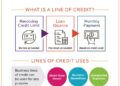
A business line of credit is a flexible financial tool that allows businesses to borrow funds up to a predetermined limit. The borrower can access funds as needed, repay them, and then borrow again, similar to a credit card.
Features of a Business Line of Credit
- Revolving credit: Funds can be borrowed, repaid, and borrowed again up to a set credit limit.
- Interest only on amount borrowed: Interest is only charged on the funds utilized, not the entire credit limit.
- Flexibility: Businesses can use the funds for various purposes, such as managing cash flow, covering expenses, or seizing opportunities.
- No collateral required: Some business lines of credit are unsecured, meaning no collateral is needed to secure the loan.
Comparison with Traditional Business Loans
- Revolving vs. Term: Business lines of credit offer revolving credit, while traditional loans typically have a fixed term for repayment.
- Interest: With a line of credit, interest is only paid on the amount borrowed, unlike traditional loans where interest accrues on the total loan amount.
- Flexibility: Lines of credit provide more flexibility in terms of usage and repayment compared to traditional loans.
Benefits of Using a Business Line of Credit
- Managing cash flow: Businesses can use a line of credit to cover short-term expenses, manage seasonal fluctuations, or bridge gaps in cash flow.
- Expanding business: A line of credit can provide the necessary funds to seize growth opportunities, invest in new projects, or expand operations.
- Emergency funds: Having a line of credit in place can serve as a financial safety net in case of unexpected expenses or emergencies.
Benefits of Using a Business Line of Credit for Cash Flow Management
Managing cash flow is crucial for the financial health of a business, and utilizing a business line of credit can provide several benefits in this regard.
Short-Term Cash Flow Needs
A business line of credit can help address short-term cash flow needs by providing quick access to funds when necessary. This can be especially useful during periods of fluctuating revenue or unexpected expenses, allowing the business to cover immediate costs without impacting operations.
Flexibility Compared to Other Financing Options
Compared to traditional loans or other financing options, a business line of credit offers greater flexibility. Businesses can draw funds as needed, up to a specified credit limit, and only pay interest on the amount borrowed. This flexibility allows businesses to manage cash flow more effectively and adapt to changing financial circumstances.
Improved Financial Stability and Growth Opportunities
By utilizing a business line of credit responsibly, businesses can improve their financial stability and create opportunities for growth. Access to a revolving line of credit can help businesses navigate cash flow challenges, seize growth opportunities, and maintain a healthy financial position.
This can ultimately lead to increased profitability and long-term success.
Tips for Effective Management of Cash Flow with a Business Line of Credit
Effective management of cash flow with a business line of credit is essential for the financial health of your business. By following these tips, you can ensure that you are utilizing your line of credit responsibly, monitoring your cash flow effectively, and optimizing the benefits while minimizing risks.
Strategies for Using a Business Line of Credit Responsibly
- Only borrow what you need: Avoid the temptation to borrow more than necessary, as it can lead to unnecessary debt.
- Create a repayment plan: Have a clear plan in place for repaying the borrowed funds to avoid accumulating interest charges.
- Use the line of credit for short-term needs: Business lines of credit are best suited for short-term cash flow gaps, not long-term financing.
- Regularly review your financials: Keep track of your financial statements to ensure you are staying within your budget and can repay the borrowed funds.
Monitoring and Tracking Cash Flow with a Business Line of Credit
- Use accounting software: Implement accounting software to track your cash flow in real-time and identify any potential issues early on.
- Compare actuals to projections: Regularly compare your actual cash flow to your projections to identify any discrepancies and make necessary adjustments.
- Set up alerts: Set up alerts for low cash balances or approaching credit limits to avoid any surprises and take timely action.
Best Practices for Optimizing the Benefits of a Business Line of Credit
- Build a strong relationship with your lender: Communicate openly with your lender and keep them updated on your business's financial health.
- Reinvest borrowed funds wisely: Use the borrowed funds to invest in revenue-generating activities that will help repay the line of credit and grow your business.
- Regularly review your credit terms: Understand the terms of your business line of credit and make adjustments as needed to ensure it continues to meet your business's needs.
Concluding Remarks
As we conclude this discussion on Managing Cash Flow with a Business Line of Credit, it becomes evident that the strategic use of a business line of credit can pave the way for sustained success and stability in the ever-changing landscape of business finance.
FAQs
What are the key benefits of using a business line of credit for managing cash flow?
A business line of credit offers flexibility, quick access to funds, and can help businesses navigate short-term financial challenges effectively.
How does a business line of credit differ from traditional business loans?
Unlike traditional loans with fixed amounts, a business line of credit provides a revolving credit line that can be used repeatedly up to a certain limit.
What are some best practices for optimizing the benefits of a business line of credit?
Monitoring cash flow regularly, using the credit responsibly, and leveraging the flexibility of the credit line are key strategies for maximizing the advantages of a business line of credit.
How can a business line of credit contribute to financial stability and growth opportunities?
By providing access to funds when needed, supporting cash flow fluctuations, and enabling strategic investments, a business line of credit can enhance financial stability and unlock growth potential for businesses.